
One
Make space
Hands up, palms open, one step back. It looks like calming someone down. It is really buying the two seconds you need.
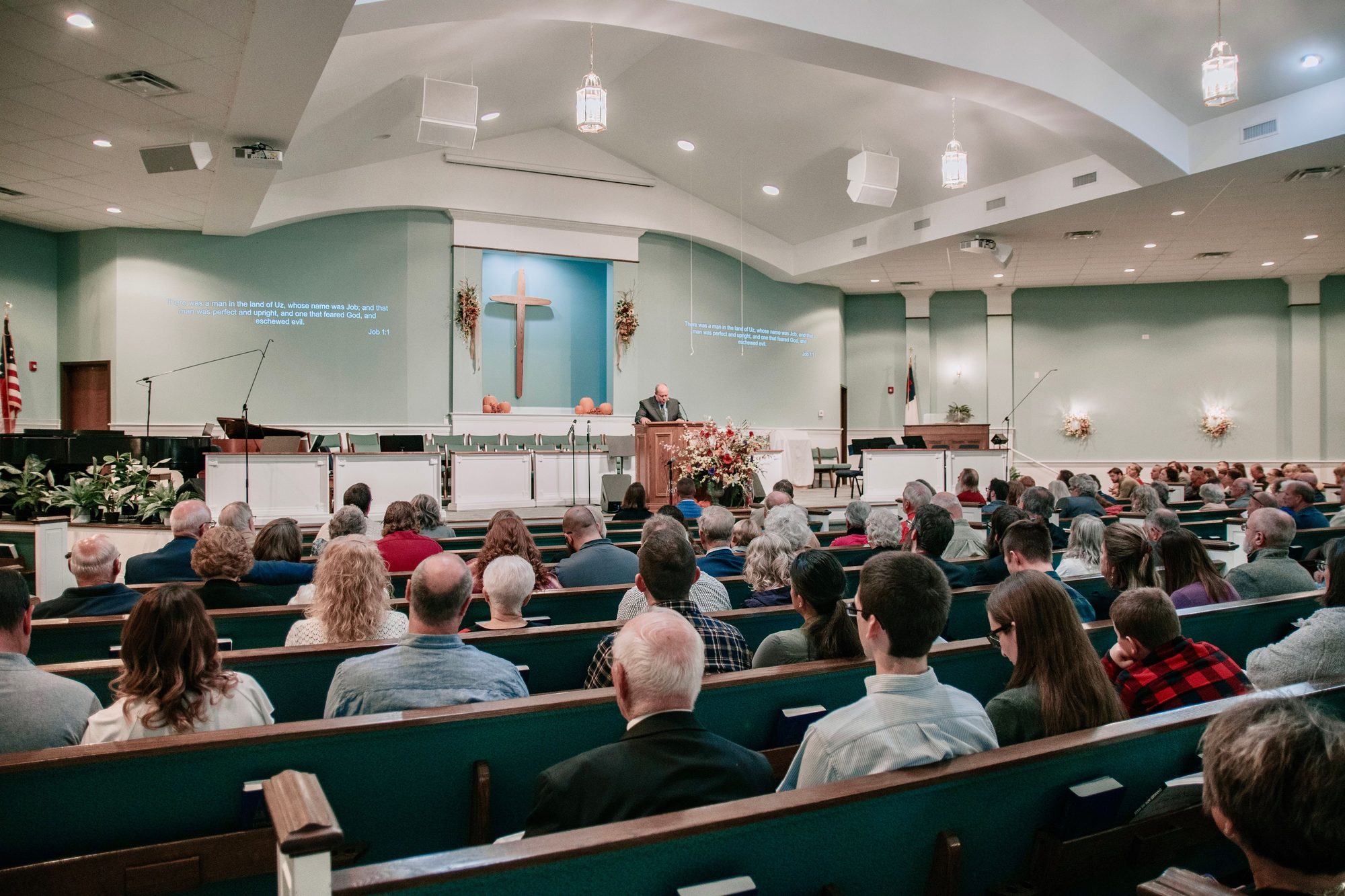
Not your security team, your greeter, your nursery worker, your front desk. They stand between the door and everyone else for the thirty seconds that decide how it goes, and nobody ever told them what to do.
So we come on an ordinary Tuesday, walk your building, put what we found in writing, and teach your people to talk a situation down long before anyone has to run. Police have had a decade of that training. Nobody built a version for the rest of us.
Dallas-Fort Worth Metroplex · One seminar covers a room of forty, credited back if you go on to an annual program.
Career figures for our founder, Chuck Heacock. Safer America itself is a young company built on that thirty years. We would rather tell you that than pretend otherwise.
Almost every church, school and office we walk into has a rough idea in somebody's head and nothing written down. That's not a failure. It was never anyone's job. It's ours. We look at your building, tell you plainly what we found, then teach your people what to do.
Most of a session isn't fighting at all: it's de-escalation. Reading someone who is winding up, keeping your own voice level, and giving them a way to back down before anybody has to run. That is not a soft idea, and it is not ours. Congress funded it for police in the Law Enforcement De-Escalation Training Act of 2022, and when Louisville put its officers through the ICAT de-escalation course, use-of-force incidents fell about 28% and citizen injuries about 26%. Police have had a decade of this. Your greeter has had none of it, and your greeter is the one who gets there first.
It's all one method, written by one man over thirty years, and a qualified instructor teaches the classes.
Twenty minutes with somebody who knows the material, not a salesperson. We mostly listen. If we're not right for you, we say so on that call. Free.
We look at your doors and your ordinary routine so any program we put in writing actually fits your building, not a generic package.
A plain, written proposal sized to your building and your people, no guessing, nothing priced before we've seen the place.
Seminars in your own building, across the year, so the training keeps reaching whoever is new. Here is what a class looks like.
The federal Nonprofit Security Grant Program funds security improvements for at-risk nonprofits, houses of worship included, and training is an allowable expense. Awards reach $200,000 per site, up to three sites.
Most organizations miss the calendar. In nearly every state the application goes through a state agency first, and that window closes months before the federal deadline. Your assessment is the documented vulnerability analysis these applications ask for, so we schedule around the window instead of chasing it.
We're not grant writers and we don't guarantee awards. We're a vendor whose services are fundable, and we hand you the paperwork that makes the application stronger.
Safer America is Chuck Heacock's work. Fifty years training himself, thirty of them building safety programs for everybody else, and every session in our catalog came out of that, written for civilians rather than fighters, and shaped by one question he has asked for three decades: what can a normal person remember and do when their hands are shaking?
For fifteen of those years he was the national program director for Krav Maga Worldwide, which is the unglamorous half of the job: vetting people, writing the standard, and building the instructor network that put the training in more than 250 American cities. He is not a famous instructor. He is the man who made sure the instruction was the same everywhere.
He doesn't teach the classes himself, and that's deliberate. Instructors are qualified on his curriculum and held to a written standard, which is the only way this reaches more than two buildings a week without the training quietly turning into whatever the person at the front feels like saying.
No call center and no account manager. One assessor walks your building and writes your report: one person, start to finish, not a team with a template.
We sell nothing but training. No cameras, no locks, no referral cut from anyone who sells them. It's the only way the recommendations in your report are worth reading.
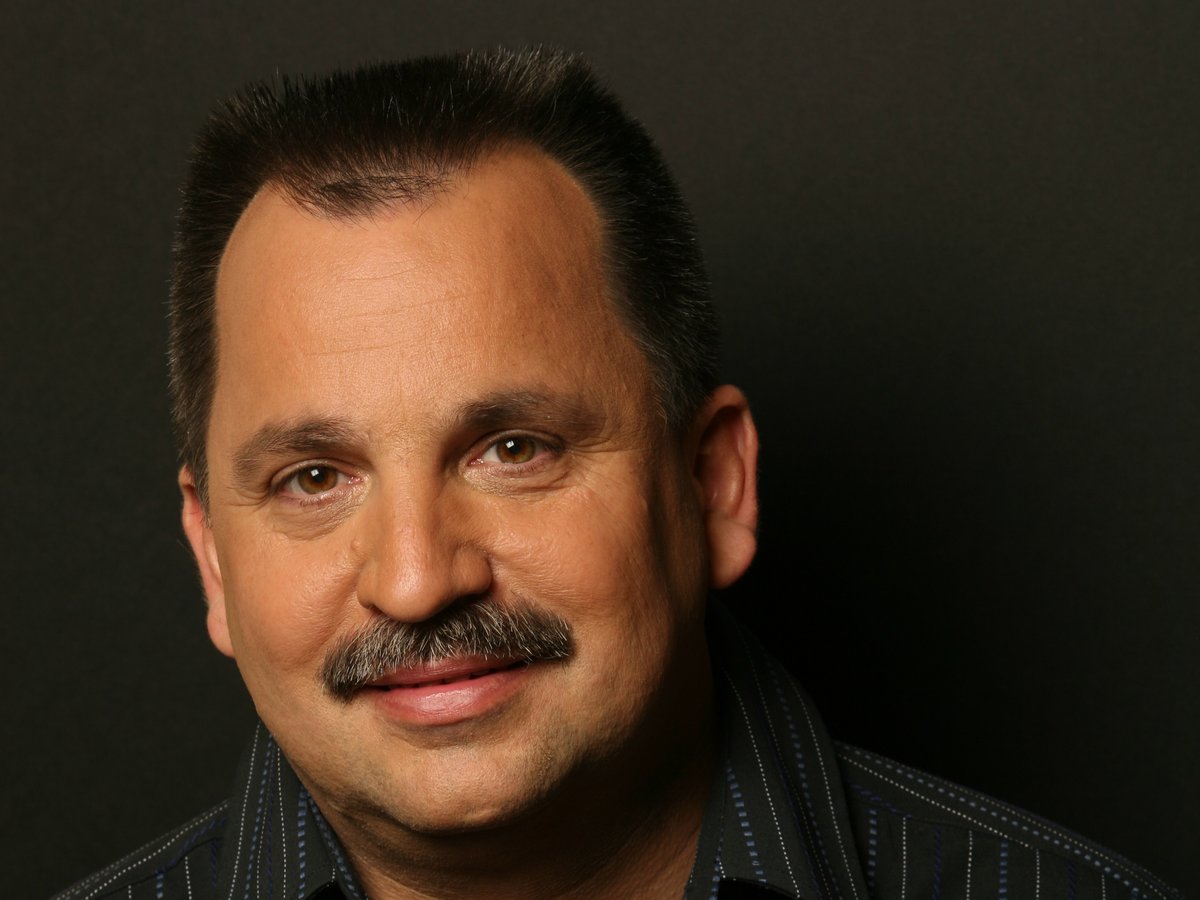
He wrote every session in the catalog, and he wrote them for civilians rather than fighters. One rule governs the whole thing: if a technique only works for a forty-year-old, it doesn't go in. His note is at the bottom of this page, in his own words.
Nobody teaches a Safer America session because they're tough. They teach it because they've been qualified on Chuck's curriculum, they sign a written safety check-off before every session, and they teach the material as written rather than improvising in your building. They're trained for older and less mobile people, not athletes: no weapons, no hands-on restraint, no scenarios sprung on anyone.
Ask who'd be standing in your building and you'll get a name, not a job title.
“In thirty years of doing this, almost everyone said the same thing in the first ten minutes: I wouldn't know what to do. They said it like it was a character flaw. It isn't. Nobody ever showed them.
That's what every session in this catalog is built to fix, and why I'd rather qualify instructors to teach it than be the only person who can. We're not turning your ushers into security guards. If that's what you need, I'll say so in the first conversation and we'll shake hands.”
A sanctuary, a school hallway, a clinic waiting room. The doors are open on purpose, and the people standing nearest them were chosen for their warmth. We wouldn't change that. We'd just make sure somebody has shown them what to do.
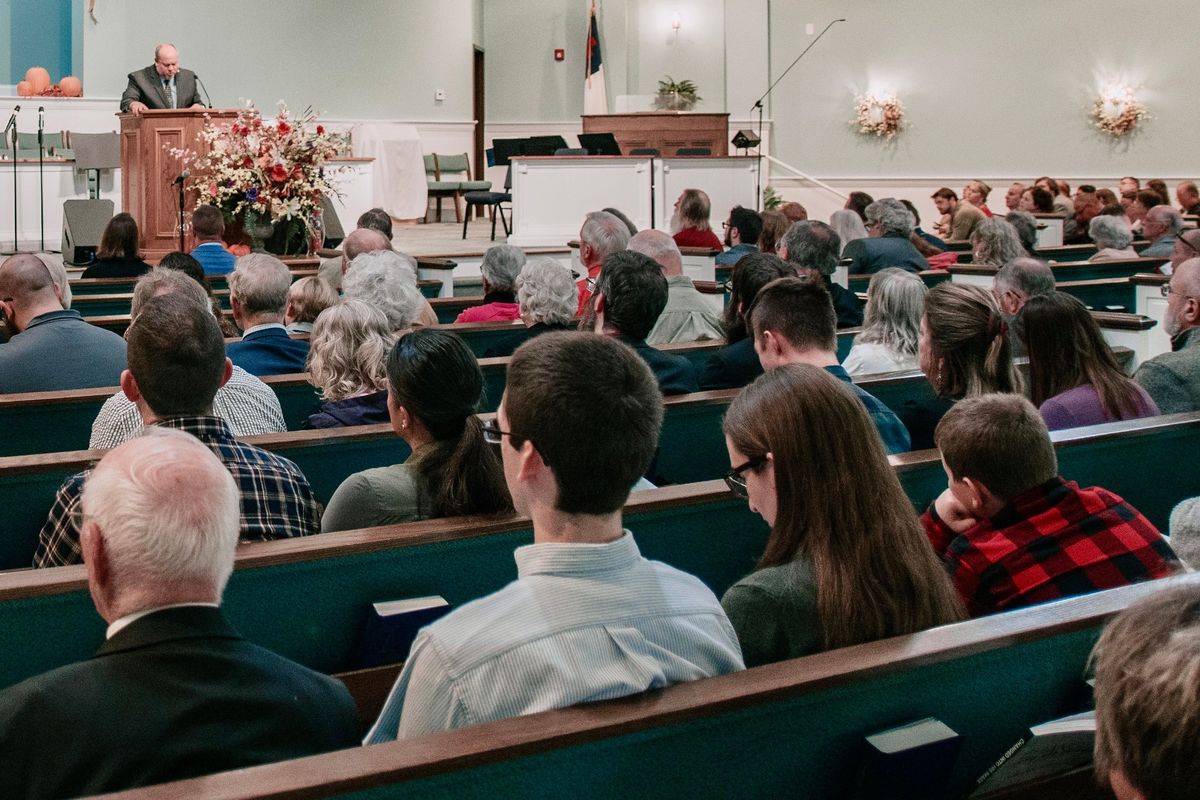
Our main work. Open doors, volunteer greeters, service times posted publicly: the training is built to sit inside a welcoming church instead of hardening it.

Most states now require more than armed staffing: written plans, periodic audits, mental health training. We read your state's requirements before we walk in, and teach the parts most vendors skip.

Reception desks, clinics, nonprofits, community centers. Same training, tuned for a place where the people at risk are the ones who work there.
Volunteers move on and staff turn over. The people in the room in March aren't all there in October. An annual program is the same seminars spread across the year, so the training keeps reaching whoever is new.
There are three of them and that's all there is. No enterprise tier we're holding back, no negotiation you have to be clever to win. We price an annual program after we've seen your building, because a one-room church and a four-building campus are not the same job and pretending otherwise would mean overcharging one of you. You'll have the number in writing before you commit to anything.
Smaller congregations and single-site organizations
Mid-size congregations, private schools, multi-ministry campuses
Large or multi-site organizations and school districts
One seminar from the catalog, one group of your people, ninety minutes, nothing to renew and nothing to cancel. Pick the scenario that's actually keeping you up (the door, the children's wing, the parking lot after dark) and we'll teach that one.
Plenty of organizations start here and never buy anything else, and that's a fine outcome. If you do go on to an annual program within ninety days, that session is credited off the first invoice.
Which program fits, and what it costs, depends on your building and your people: how many doors, how many groups need training, how often your volunteers turn over, and whether we're covering one site or several. We work that out with you on the phone and put a firm number in writing after we've seen your building. Nobody gets sorted into a tier by a number on a form, and nothing is priced before we've seen the place.
For most nonprofits all of this is a grant-eligible expense: here's how that works.
No mats, no sparring, no uniforms. Street clothes, a room you already have, and skills a sixty-eight-year-old usher can still do with shaking hands.
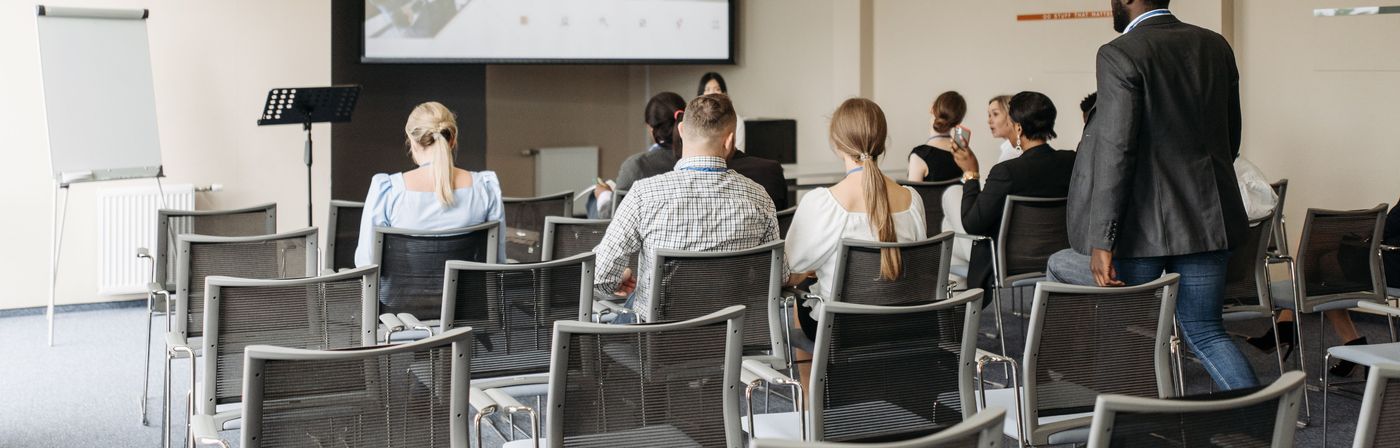
Ninety minutes to a half day. Instruction first, then practice standing up. Nobody gets on the floor, nobody is put on the spot. At the end we audit what people retained instead of handing out certificates for showing up.
Seminars can be booked on their own. Ask what a single session would cost.
The six things we teach
None require strength, speed, or being young. That's the whole point.
Hands up, palms open, one step back. It looks like calming someone down. It is really buying the two seconds you need.
Grips fail at the thumb. One turn and a step, no strength required. We drill it until it stops feeling like a trick.
Almost nobody thinks to move sideways. A single step off the path someone is charging down solves most of the problem.
Somebody has to say the words and point. We decide in advance who, so nobody stands there waiting for permission.
Which doors in your building actually lock, which ones only look like they do, and what to wedge under the handle when they don't.
Twelve people all calling 911 is twelve people standing still. One person calls, by name, decided beforehand. The rest are already leaving.
No. We train a small group, usually in a side room, usually on a weekday. Most of your people never know it happened, which is the point. A building that feels like an airport has already lost something worth more than it gained.
That's a decision for your leadership and we don't second-guess it. But it answers one question out of six. It does nothing about who calls, how word reaches the children's wing, which doors lock, or what happens when the person carrying isn't there that Sunday.
Good, that's exactly who this is built for. Nothing we teach requires strength, speed, or getting on the floor. Nobody has to become Chuck Norris. If a technique only works for a forty-year-old, it isn't in the curriculum.
Yes. A single session, one seminar from the catalog, one group of your people, about ninety minutes, nothing to renew. Pick whichever scenario is actually bothering you. Plenty of organizations start there and never buy anything else. If you do go on to an annual program within ninety days, that session is credited off the first invoice.
About three weeks from the first phone call to a written report in your hands. The no-cost fixes usually get done the same week you read it.
The Dallas-Fort Worth Metroplex. Dallas, Fort Worth, Arlington, Plano, Denton, and everything in between.
That's deliberate, and it keeps costs down. Being close enough to drive is what keeps a seminar affordable compared to what a flown-in instructor would have to charge to cover airfare and a hotel. It also means the person who walks your building can come back.
We do travel outside North Texas for the right engagement. Call and ask. We'll tell you plainly what it would add.
Ninety minutes with your people, then a written report one week later. Fill in the form and a real person calls you back within one business day.
Serving congregations, schools, and workplaces across the Dallas-Fort Worth Metroplex.
Questions about any of this?
I'm an automated helper. I can explain how we get started, what we actually teach, or how congregations pay for it.
Automated answers, written by us. Anything specific to your building, call (310) 422-6172.