
One
Make space
Hands up, palms open, one step back. It looks like calming someone down. It is really buying the two seconds you need.
Simple steps. Real impact.
Almost every church, school and office we walk into has a rough idea in somebody's head and nothing written down. That's not a failure. It was never anyone's job. It's ours. We look at your building, tell you plainly what we found, then teach your people what to do.
Most of a session is de-escalation, not fighting: reading someone winding up, staying level, giving them a way to back down. Police have trained on this for a decade. Your greeter hasn't, and your greeter is the one who gets there first.
It's all one method, written by one man over thirty years, and a qualified instructor teaches the classes.
Twenty minutes with somebody who knows the material, not a salesperson. We mostly listen. If we're not right for you, we say so on that call. Free.
We look at your doors and your ordinary routine so any program we put in writing actually fits your building, not a generic package.
A plain, written proposal sized to your building and your people, no guessing, nothing priced before we've seen the place.
Seminars in your own building, across the year, so the training keeps reaching whoever is new. Here is what a class looks like.
Every walkthrough ends the same way: something you can hand to a board, an insurer, or a grant reviewer, not a slide deck we talk you through once and take with us.
Doors, sightlines, arrival and dismissal, how a warning would actually travel through your building. Walked the way a stranger would see it.
Who's watching what, whether a plan exists anywhere besides someone's memory, and what happens if that person isn't there that day.
What we found, in plain language. No jargon, no score designed to sell you the next tier up.
Ordered by what's free and fixable this week, what's worth planning for this year, and what belongs in next year's budget. Nothing dumped on you all at once.
Which sessions your building needs first, sized to your people, not a one-size curriculum sold to everyone who calls.
This is the document the funding conversation and the grant application both start from. Here's how that works.
No mats, no sparring, no uniforms. Street clothes, a room you already have, and skills a sixty-eight-year-old usher can still do with shaking hands.
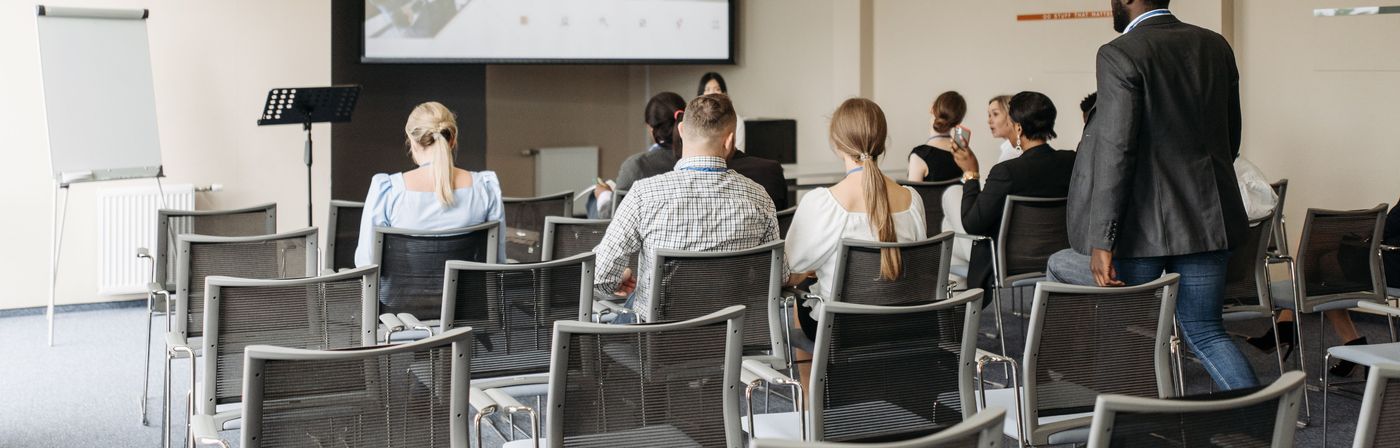
Ninety minutes to a half day. Instruction, then practice standing up. Nobody's on the floor, nobody's put on the spot.
Seminars can be booked on their own. Ask what a single session would cost.
The six things we teach
None require strength, speed, or being young. That's the whole point.
Hands up, palms open, one step back. It looks like calming someone down. It is really buying the two seconds you need.
Grips fail at the thumb. One turn and a step, no strength required. We drill it until it stops feeling like a trick.
Almost nobody thinks to move sideways. A single step off the path someone is charging down solves most of the problem.
Somebody has to say the words and point. We decide in advance who, so nobody stands there waiting for permission.
Which doors in your building actually lock, which ones only look like they do, and what to wedge under the handle when they don't.
Twelve people all calling 911 is twelve people standing still. One person calls, by name, decided beforehand. The rest are already leaving.
No church gets turned away here because of what's in the budget. If training is right for your building, we help you find the funding, at no added charge. The federal Nonprofit Security Grant Program covers training as an allowable expense, up to $200,000 per site.
We're not grant writers and we don't guarantee awards. We're a vendor whose services are fundable, and we hand you the paperwork that makes the application stronger.
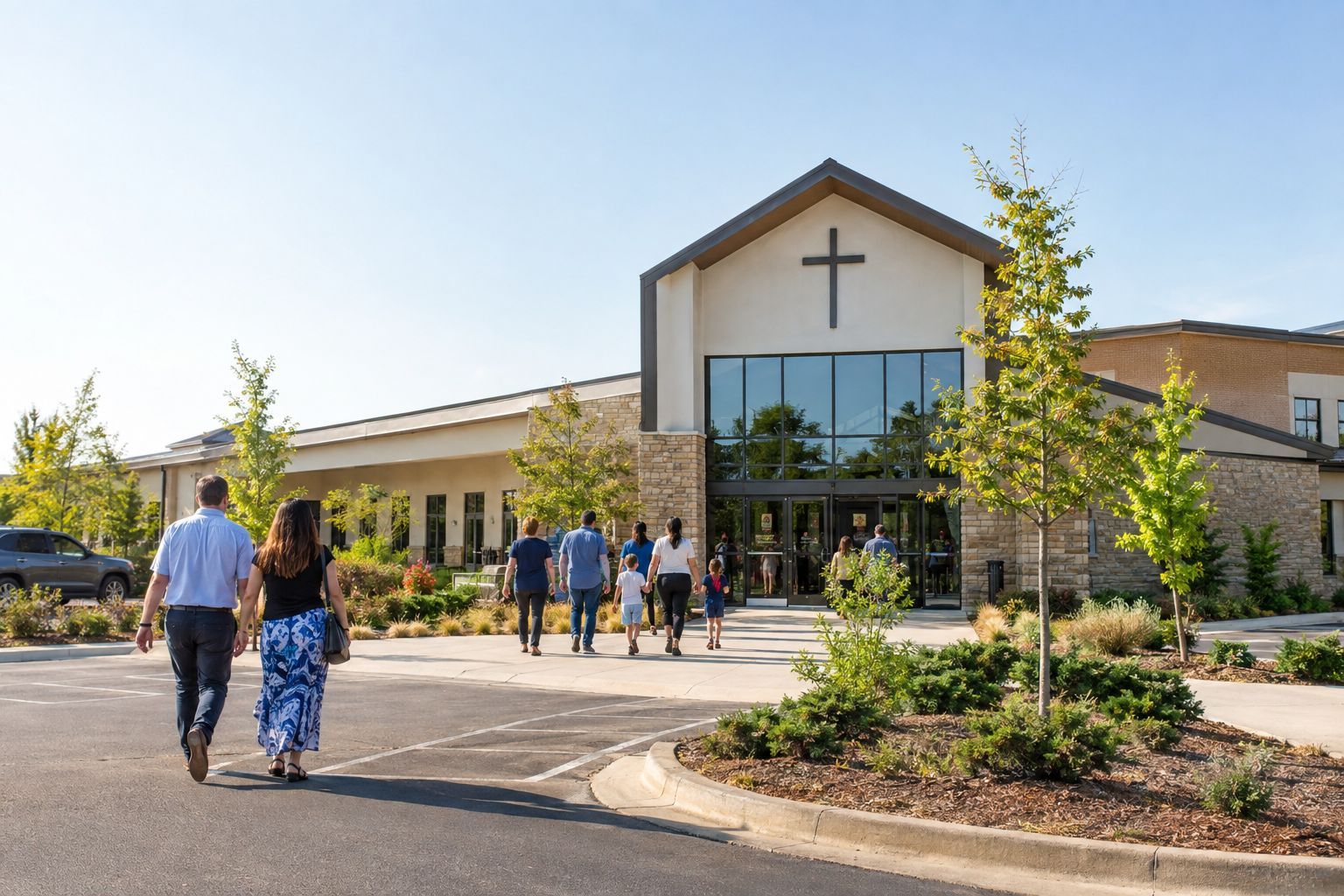
We can't tell you yes over the phone, that call belongs to the state and to FEMA. But these are the questions we ask every organization before we start.
Questions about any of this?
I'm an automated helper. I can explain how we get started, what we actually teach, or how congregations pay for it.
Automated answers, written by us. Anything specific to your building, call (310) 422-6172.